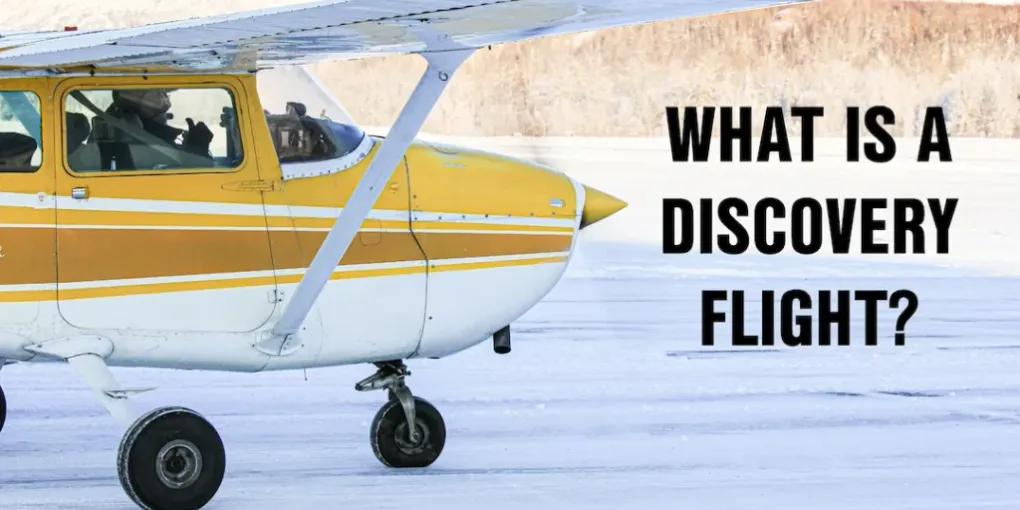
A discovery flight is the single best way to find out if learning to fly is right for you. It’s not a sales pitch or a simulation — it’s a real flight in a real airplane where you actually handle the controls.
If you’ve been thinking about flight training but aren’t sure what the first step looks like, this is it. Here’s exactly what happens during a discovery flight at Tyler Pounds Regional Airport.
Before you arrive
There’s nothing you need to do to prepare. You don’t need any experience, any paperwork, or any special equipment. Just show up in comfortable clothes and shoes you can walk around in — you’ll be doing a walk-around inspection of the airplane on the ramp.
If you wear sunglasses, bring them. East Texas sunshine at altitude is no joke.
You’ll want to eat a normal meal beforehand. An empty stomach and a warm cockpit aren’t a great combination, especially if it’s your first time in a small aircraft.
The preflight briefing
Before we head to the airplane, we’ll spend about 15 minutes talking through the basics. This isn’t a lecture — it’s a casual conversation about what you’ll see, what I’ll handle, and what you’ll get to do yourself.
We’ll cover how the flight controls work (stick or yoke, rudder pedals, throttle), how the airplane stays in the air, and what the instruments on the panel tell us. The goal is to give you enough context that when we get airborne, you understand what’s happening.
The walk-around
Every flight starts with a preflight inspection. We’ll walk around the Cessna 172 together and I’ll show you what we’re looking for — checking the control surfaces, inspecting the fuel, looking at the tires and propeller, and making sure everything is where it should be.
This is actually one of the most important habits you’ll build as a pilot. The FAA’s Pilot’s Handbook of Aeronautical Knowledge dedicates an entire chapter to preflight procedures because a thorough inspection is your first line of defense every time you fly.
Starting up and taxiing
Once we’re strapped in and the checklist is complete, I’ll walk you through the engine start. You’ll hear the engine turn over, the propeller will start spinning, and the airplane will come alive.
Then we’ll taxi to the runway. Taxiing is one of those things that feels awkward at first — you steer with your feet using the rudder pedals, not with the yoke. Most people get the hang of it within a few minutes.
At KTYR, we’re at a towered airport, so you’ll hear me talk to the control tower on the radio. I’ll handle all the radio communication during a discovery flight so you can focus on the experience.
Takeoff
This is the part people remember. I’ll line us up on the runway, advance the throttle, and we’ll accelerate down the centerline. Within a few seconds, we’ll be flying.
Once we’re established in a climb and clear of the airport traffic area, I’ll hand the controls to you.
You’re flying
This is the core of a discovery flight — you’ll actually fly the airplane. I’ll guide you through straight and level flight, gentle turns, and basic climbs and descents. The controls are intuitive: push forward to go down, pull back to go up, turn the yoke in the direction you want to go.
Most people are surprised by how natural it feels. The Cessna 172 is a stable, forgiving airplane — it wants to fly, and it doesn’t take a heavy hand to control it.
We’ll fly over Tyler and the surrounding East Texas countryside for about 30 to 45 minutes. You’ll see lakes, pine forests, neighborhoods, and the airport from an entirely new perspective. There’s a reason pilots say flying changes the way you see the world.
The landing
I’ll handle the landing on a discovery flight. You’re welcome to follow along on the controls and feel what I’m doing — many students find this helpful because it gives them a sense of the sight picture and control inputs involved in an approach.
After the flight
Once we’re back on the ground and the engine is shut down, we’ll debrief. I’ll ask what you thought, answer any questions, and — if you’re interested — walk through what a full training program looks like.
There’s genuinely no pressure to commit. Some people walk away knowing immediately that they want to start training. Others take a few weeks to think about it. Both are perfectly fine.
How much does a discovery flight cost?
A discovery flight typically runs between $200 and $300, which covers the instructor time, aircraft rental, and fuel. If you decide to pursue your private pilot certificate, this flight counts toward your total training hours — so it’s not money spent on top of your training, it’s the beginning of it.
Who should take a discovery flight?
Honestly? Anyone who’s ever looked up at an airplane and wondered what it would be like. You don’t need to be young, athletic, or technical. The AOPA reports that student pilots range from teenagers to retirees, and the average age of a new student pilot is in the mid-30s.
If you’ve been curious, this is the lowest-commitment way to find out. You can learn more about private pilot training in Tyler, TX to see what the full path from discovery flight to checkride looks like.
Ready to get in the air? Schedule your first flight lesson at Tyler Pounds Regional Airport and see Tyler from a whole new perspective.